Description
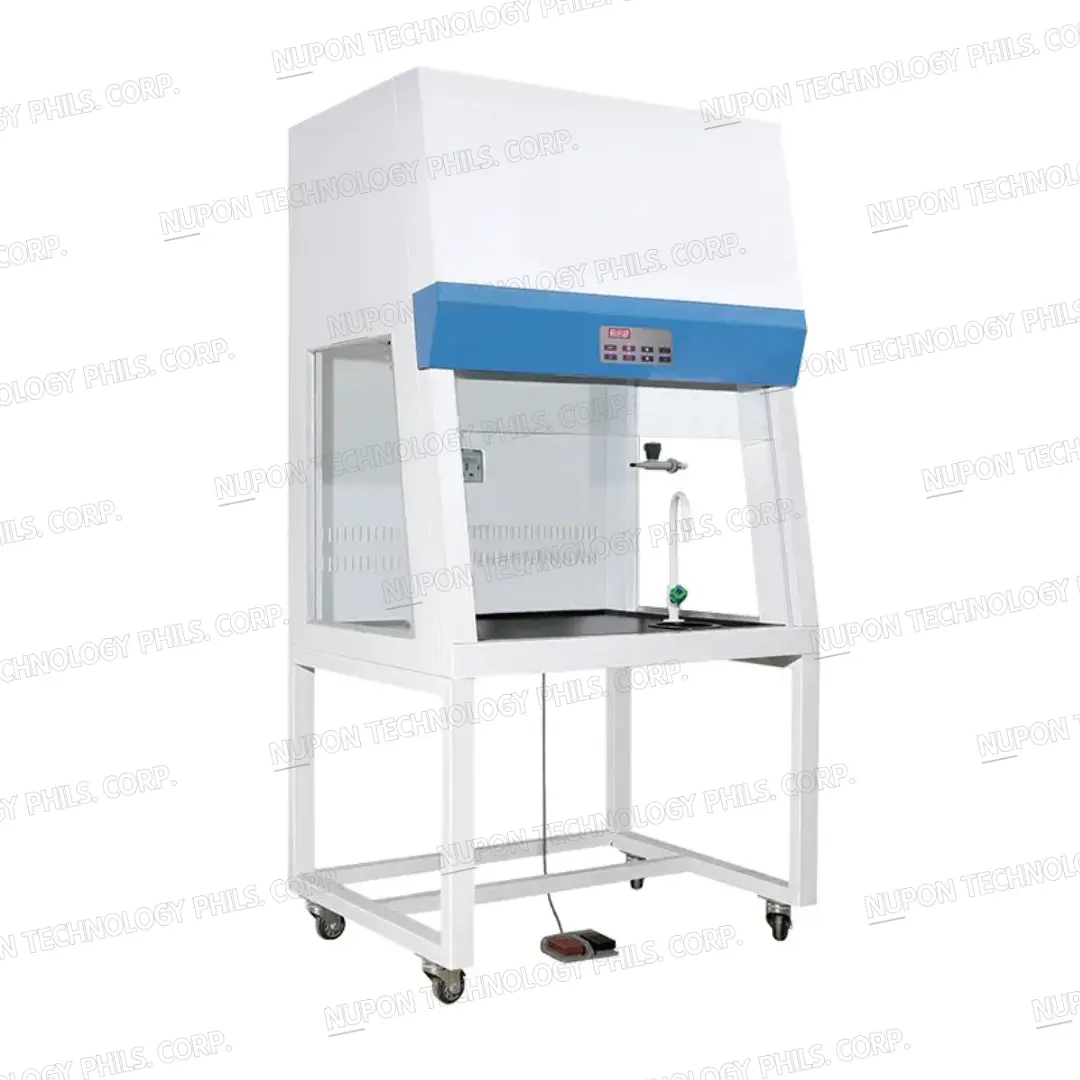
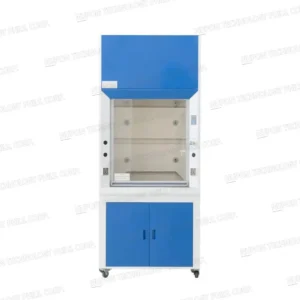
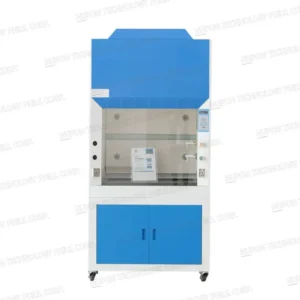
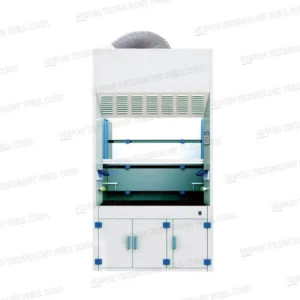
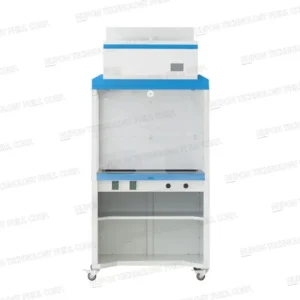
The Ducted Fume Hood X Philippines is a laboratory ventilation enclosure designed to safely capture, contain, and exhaust hazardous fumes generated during chemical handling, testing, and research activities.
This system uses a ducted exhaust configuration to remove contaminated air from the laboratory workspace and discharge it through an external ventilation system. Therefore, it helps maintain a safer working environment for laboratory personnel.
The Ducted Fume Hood X is suitable for facilities that require dependable airflow control, chemical resistance, and customized laboratory safety solutions. NuPon Technology Phils. Corp. provides laboratory equipment and cleanroom solutions for industrial, commercial, and research applications in the Philippines.
For complete laboratory and controlled environment solutions, the Ducted Fume Hood X can be integrated with Cleanroom Construction Solutions and other laboratory equipment systems from NuPon.

ADVANTAGE
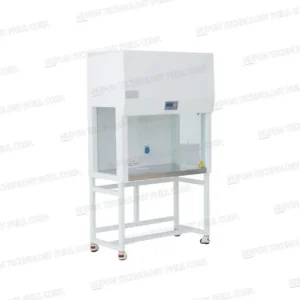
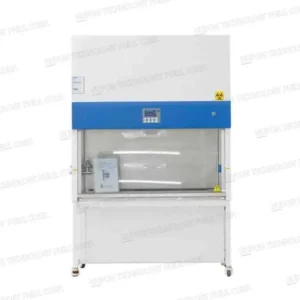
– UV lamp for sterilization.
– Motorized front glass window.
– Resistant to weak acid and alkali.
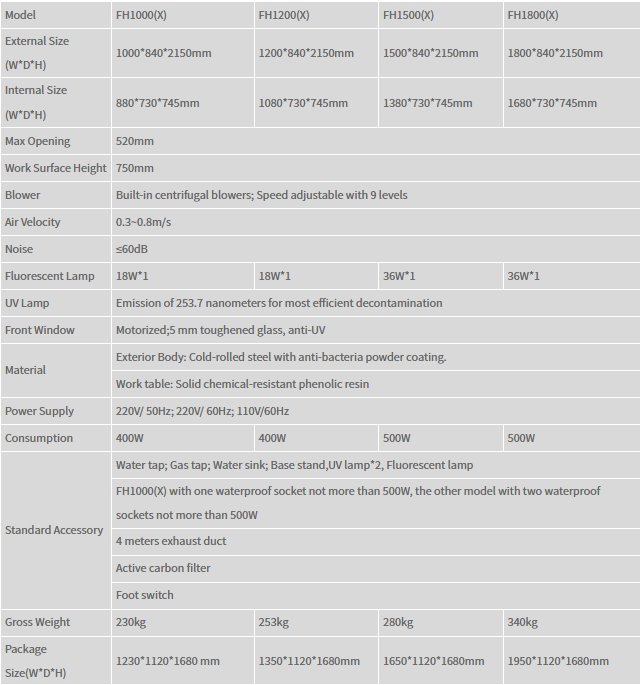
– Adjustable air speed: 9 levels.
– Alarm when filter working time 3500 hours.
– With memory function in case of power-failure.
– Back side air compensation, to avoid turbulence in work area.
– 8° slope front ergonomics design, fatigue-free working posture.
– Microprocessor control system, LEd display shows filter working time.
– Transparent side glass windows maximize light and visibility inside the cabinet, providing a bright and open working environment.
This product belongs to the FH(X) series Fume Hood. A Fume Hood is a kind of negative pressure ventilation system designed to protect the operator and the laboratory environment. Room air flows inward through the front opening and is continually drawn away by the extract blower. Therefore, contaminated fumes, vapors, toxic gases, aerosols, and corrosive substances generated during experiments are prevented from spreading to the operator or into the laboratory room. The polluted air can be purified by an active carbon filter before exhausting through the duct, enhancing safety and compliance with containment standards. In addition, the outdoor environment is protected by the combined effect of containment and filtration, reducing emissions released through the exhaust. The system supports safe operation by controlling ventilation and minimizing exposure risks, aligning with laboratory safety guidelines and environmental responsibility.